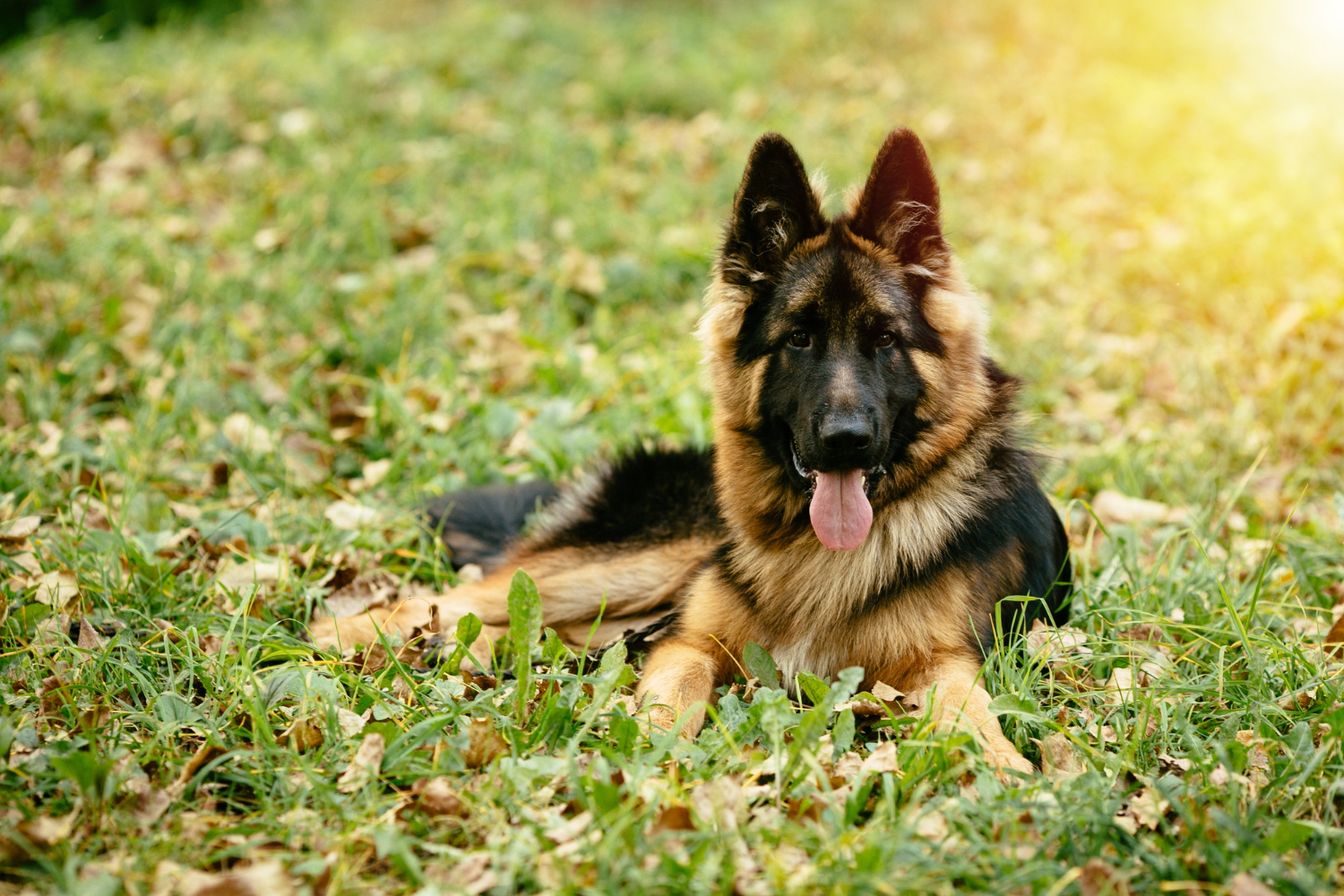

When the days grow longer and warmer, our furry companions get just as excited as we do to spend more time outdoors. But with the joys of spring and summer come a few seasonal challenges every pet parent should be prepared for—like pests, high temperatures, and even holiday noise stress. At Walnut Street Animal Hospital, we want to help you navigate the season with confidence so your pet stays healthy and relaxed.
Here’s what to look out for and how to keep your pets protected during the warmer months.
Fleas, Ticks & Heartworms Love the Heat
Warmer weather means peak activity for fleas, ticks, and mosquitoes—and that spells trouble for dogs and cats in Cary, Raleigh, Apex, Holly Springs, and surrounding areas. These parasites aren’t just a nuisance; they can transmit serious diseases like Lyme disease, ehrlichiosis, and heartworm.
The Heartworm Society explains that heartworms can be deadly, and they thrive in warm climates, making prevention a top priority. It’s important to stay on top of regular preventive treatments and talk to your vet about the best options for your pet.
Additionally, ticks can carry diseases such as Lyme disease, anaplasmosis, and babesiosis, which can have serious consequences if left untreated. To protect your pets from these diseases, check for ticks after outdoor activities, especially if you’ve visited areas with tall grasses or wooded regions.
For more information on preventing heartworms and understanding tick-borne diseases, the CDC’s Tick Page for more helpful resources.
Avoid Overheating: Know the Signs
Unlike humans, pets can’t cool down easily by sweating. Dogs mostly rely on panting, and cats tend to hide their symptoms until it’s serious. That’s why it’s so important to know the early signs of heat exhaustion or heatstroke:
Excessive panting or drooling
Lethargy or disorientation
Vomiting or diarrhea
Rapid heartbeat
If you notice any of these symptoms, immediately move your pet to a cool, shaded area and offer them water. Contact your veterinarian as soon as possible for further guidance.
The American Kennel Club (AKC) provides a useful heatstroke guide to help you recognize warning signs quickly. Always make sure your pet has access to shade, fresh water, and a cool place indoors. Avoid long walks during the hottest part of the day, and never leave your pet in a parked car—even for a few minutes.
Wellness Care Is Your Best Defense
Staying ahead of summer stressors and parasites starts with a comprehensive wellness exam. During your pet’s visit, our veterinary team performs a full head-to-tail checkup, paying special attention to areas that are often affected by seasonal issues—like the skin, ears, and gums. This allows us to spot early signs of irritation, infection, or parasite activity before symptoms escalate.
We also take time to discuss your pet’s daily habits and any recent behavioral changes. If your dog has become extra clingy during storms or your cat is hiding more than usual, it could be their way of expressing seasonal anxiety. Even minor observations can help us personalize your pet’s care.
Based on what we learn, we may recommend preventive treatments like flea, tick, and heartworm protection, updated vaccinations, or other wellness services tailored to your pet’s needs. This proactive approach helps your pet stay healthy and comfortable through the heat, noise, and outdoor excitement that summer brings.
Noise-Related Stress Is More Common Than You Think
With outdoor gatherings, thunderstorms, and fireworks becoming more frequent, many pets start showing signs of anxiety—especially around holidays. The noise phobias can cause pets to tremble, pace, or try to escape. This is particularly important if your pet is microchipped—an extra layer of ID can help bring them home faster if they bolt during a stressful event.
Keep your pet indoors during fireworks or loud events, and create a calm space where they can feel safe. Some pets benefit from soothing background noise, like a fan or soft music. If your pet has severe anxiety, let us know during your next visit so we can explore options together.
Stay Active, But Safely
Exercise is essential year-round, but in warmer months, the way your pet stays active may need to change. Choose cooler times of day—like early morning or late evening—for walks or playtime. If you’re near water, consider letting your dog cool off in a pet-safe pool or splash pad. Just be sure to monitor them closely and avoid unfamiliar bodies of water, especially if you’re unsure about algae or bacteria.
The ASPCA shares additional water safety tips for dogs that love to swim. And if you’re heading on a hike or traveling, make sure your pet is up to date on vaccinations and parasite prevention.
Every season comes with new opportunities and new concerns, but with the right information and preventive care, your pets can enjoy spring and summer as much as you do. Whether you’re scheduling your pet’s annual wellness exam or have questions about flea and tick protection, the team at Walnut Street Animal Hospital is here to help.
Schedule your visit today and let us help you give your pet a happy, healthy summer!